By Amy Bao, APAC Network Director, Local Planet
Across Asia Pacific, collaboration has become the new currency of influence. From K-pop partnerships to global–local fashion tie-ups, brands are increasingly turning to co-creation to connect with audiences who value authenticity, culture, and purpose.
The most successful campaigns today don’t just feature influencers. They empower creators, consumers, and communities to shape the narrative. In a region defined by cultural depth and digital speed, this kind of collective influence is transforming how brands build relevance and trust.
“What we’re seeing in APAC is a shift from influencer marketing to ecosystem thinking,” says Ana Pista, Founder, Local Planet Philippines. “It’s about long-term collaboration and shared creativity that reflects the region’s energy and local intelligence.”
Co-Creation in Action
This collaborative mindset is playing out across the region in unexpected ways. From entertainment to retail, and from mobility to wellness, brands are experimenting with new forms of partnership that bring together creativity, culture, and commerce. These collaborations are proof that when global ambition meets local imagination, influence becomes something audiences want to participate in, not just observe.
Cross-Industry Collaborations Create Cultural Relevance
Oreo x BABYMONSTER, Southeast Asia, October 2025
Oreo teamed up with K-pop group BABYMONSTER to launch the “Twist, Lick, Dance” campaign across six Southeast Asian markets. The collaboration featured a limited-edition flavour inspired by Korean desserts, cookie designs created by the band members, and a social challenge that invited fans to share their own dance videos. (Source: MARKETECH APAC)
Why it stands out:
This crossover between a global FMCG brand and a pop culture powerhouse brought instant regional momentum. The partnership combined mass appeal with cultural energy, proving that co-creation can spark shared excitement across diverse markets.
UNIQLO Singapore x Old Chang Kee, October 2025
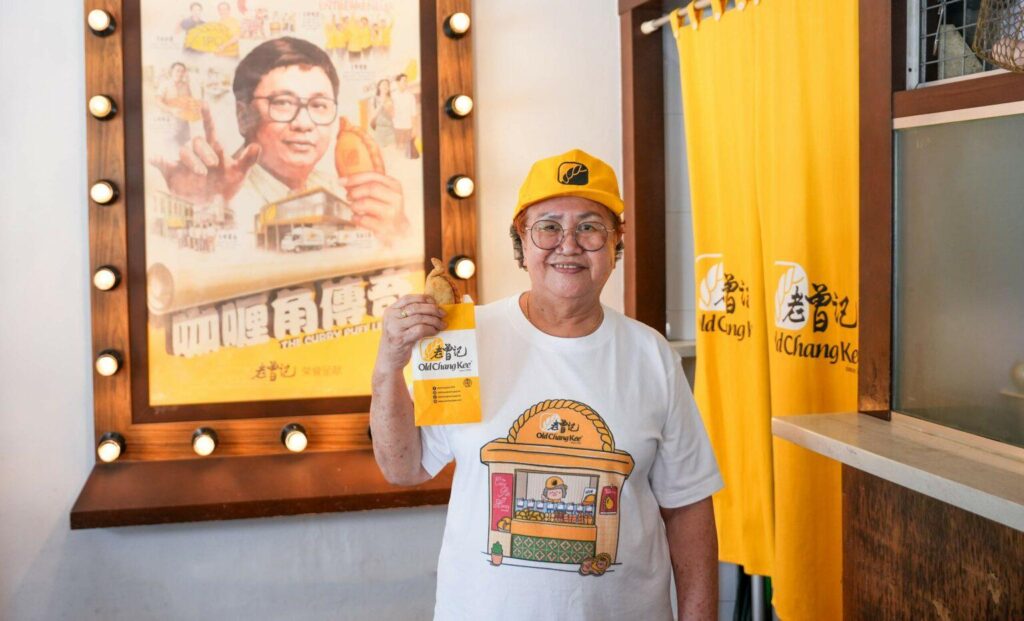
UNIQLO Singapore partnered with heritage snack brand Old Chang Kee to create a UTme! T-shirt and embroidery collection inspired by the beloved local snack. The collaboration celebrated Singaporean food culture while connecting global fashion with everyday nostalgia. (Source: MARKETECH APAC)
Why it stands out:
It demonstrates how a global brand can earn local authenticity by collaborating with cultural icons that already hold emotional equity. This “global × local” model reflects how independent networks like Local Planet work — blending international ambition with deep market insight.
Carlsberg Asia x Grab, Foodpanda, Meituan, 2024
Carlsberg’s #CelebrateResponsibly campaign brought together leading digital platforms across APAC to promote responsible drinking. Partnering with Grab, Foodpanda, and Meituan generated a 37% increase in new consumers and a 49% uplift in sales between January and August 2025. (Source: AInvest)
Why it stands out:
This partnership bridged categories and purpose. It demonstrated how collaboration can deliver both commercial performance and positive social impact, reflecting a leadership mindset that resonates strongly in the region.
“Partnerships that connect brands with culture, creativity, and responsibility are setting the new standard,” says David Jowett, Global Chief Commercial Officer, Local Planet. “Independent agencies are uniquely positioned to help brands find that balance — agile, creative, and close to culture.”
One Region, Many Realities
Across Asia Pacific, there’s a shared rhythm: fast-moving digital adoption, mobile-first engagement, and an audience that values authenticity, creativity, and community. This creates a uniform regional foundation — one where collaboration, participation, and purpose-driven storytelling resonate widely.
Yet beneath this shared DNA lies immense market diversity. Each country’s ecosystem is shaped by distinct cultural codes, consumer behaviors, and platform dynamics. In China, closed-loop platforms like WeChat, Douyin, and Xiaohongshu dominate, turning influencer marketing into seamless social commerce. In South Korea, creator-led fandoms drive trends at lightning speed, blending entertainment and lifestyle in ways that set global benchmarks. Japan’s audiences value refinement and trust, responding to subtle, long-term brand storytelling. Meanwhile, Southeast Asia thrives on hyper-local creators and real-time engagement across TikTok and Shopee Live — markets where community comes before celebrity.
Understanding this duality, regional coherence with local complexity, is what allows brands to scale influence effectively. The most successful marketers in APAC know that while the principles of influence are universal, the expressions of culture are deeply local. We, at Local Planet, thrive on this market-by-market complexity.
Building Influencer Ecosystems: From Moments to Movements
The strongest examples of influence in APAC are no longer single activations but connected ecosystems that grow over time.
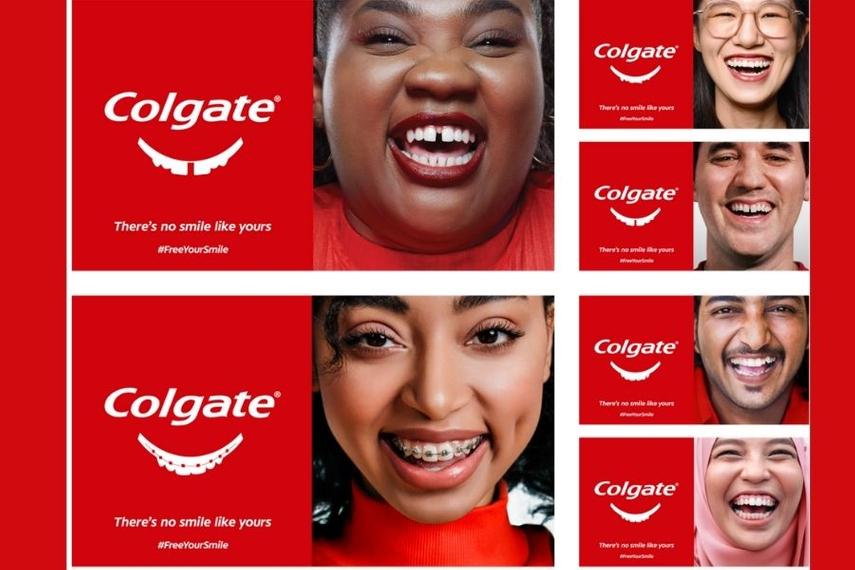
Colgate #FreeYourSmile, APAC, 2024
Colgate invited influencers across the region to share their experiences of “smile shame.” Led by Thai creator Suzie Wadee, the campaign used an AI-powered “Smile Generator” tool to personalise the Colgate logo, while adapting packaging to reflect diverse smiles. The campaign achieved a reach of approximately 899 million (21 times the target) and a 35x earned media ROI.
Why it stands out:
The campaign combined authenticity and purpose with user participation. It showed how digital tools, diversity, and co-creation can humanise a global brand and drive real emotional connection.
Lululemon Korea: Expanding Influence Beyond Fashion (2023)
In South Korea, Lululemon sought to deepen its connection with Gen Z and Millennial audiences, digitally savvy consumers who move fluidly between global and local platforms. Partnering with Local Planet Korea, the brand launched an interactive “21-Day Challenge” encouraging audiences to build mindful movement habits while exploring Lululemon’s products. The campaign leveraged short-form videos, styling tips, and influencer-led content to inspire everyday wear.




To expand beyond traditional fashion circles, Lululemon collaborated with non-fashion influencers including breakdancers, soccer players, and gymnasts, to highlight the performance and versatility of its menswear line. This cross-disciplinary approach not only boosted engagement and sales but also repositioned Lululemon as part of an active lifestyle movement rather than just an apparel brand.
Why it stands out:
Lululemon’s strategy exemplifies how brands in APAC can create connected influencer ecosystems by merging cultural authenticity with platform fluency. Rather than relying solely on fashion ambassadors, the brand co-created with diverse creators to inspire real participation, transforming product marketing into a community-driven experience that bridges wellness, performance, and style.
CHAGEE Philippines: Localizing a Global Lifestyle Movement (2025)
When global milk tea brand CHAGEE entered the Philippine market, opening its first stores in Robinsons Galleria, SM North EDSA, and Venice Grand Canal Mall, it faced the challenge of translating its premium, culture-driven identity into a new local context. To do this, CHAGEE and Local Planet Philippineslaunched a social-led media campaign that blended paid visibility with authentic creator storytelling across META and TikTok.
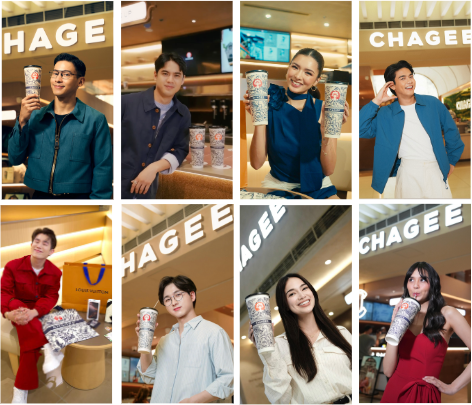
Rather than relying solely on branded content, CHAGEE strategically boosted KOL-generated content to build anticipation and organic conversation around its launch. The campaign divided its audience into two distinct community clusters:
- Fashion and Fitness Group, targeting trend-conscious consumers drawn to wellness and lifestyle aesthetics.
- General Lifestyle Group, engaging audiences with affinities for travel, food, beauty, and leisure.
By combining interests, behaviours, and social signals across both sets, CHAGEE created a connected community ecosystem that felt premium yet approachable, bridging lifestyle aspiration with everyday indulgence.
Why it stands out:
CHAGEE’s approach shows how global brands can localize through influencer ecosystems that reflect both cultural nuance and shared aspiration. Rather than running a one-off launch campaign, CHAGEE built a foundation for sustained community engagement, positioning itself not just as a beverage brand, but as part of a modern lifestyle conversation across Asia Pacific.
Loewe Crafted World, China, 2024
Loewe’s largest-ever exhibition in Shanghai featured ambassadors Yang Mi and Wu Lei and encouraged user-generated content through a “How to Pronounce LOEWE” challenge on WeChat and Xiaohongshu (RED).
Why it stands out:
Luxury brands are embracing localisation by inviting participation. Loewe proved that even high-end storytelling can feel personal and inclusive when creators help shape the message.
What Makes Collective Influence Work
These campaigns reveal a consistent pattern. Success in APAC starts with a big idea that can sustain engagement over time, rather than chasing short-term visibility. Whether working with mega influencers or niche creators, the goal is to nurture relationships that build advocacy and participation.
A strong influencer ecosystem is built on long-term trust and shared purpose. It requires brands to invest in creator partnerships, empower local storytelling, and recognise creators as co-owners of the idea. This shift from transactional marketing to collaborative creation reflects a broader change in how leadership operates in APAC.
Independent networks are leading this evolution. Their strength lies in understanding cultural nuance and building connections that are locally grounded yet globally coherent.
“Independents have the freedom to create with context,” says Yovineda Brilliano, Managing Director, Local Planet Indonesia. “Because we’re rooted in local culture, we can connect brands to communities in ways that feel natural and relevant.”
In a region where culture, creativity, and digital connectivity intersect at scale, this approach turns influencer marketing into a collective movement — one that amplifies both brand impact and creator influence over the long term.
Sources:
MARKETECH APAC (2025)
AInvest, APAC Campaign Report (2025)
Kantar Consumer Trust Study 2024, Asia
Campaign Asia-Pacific (2024)